

About Course
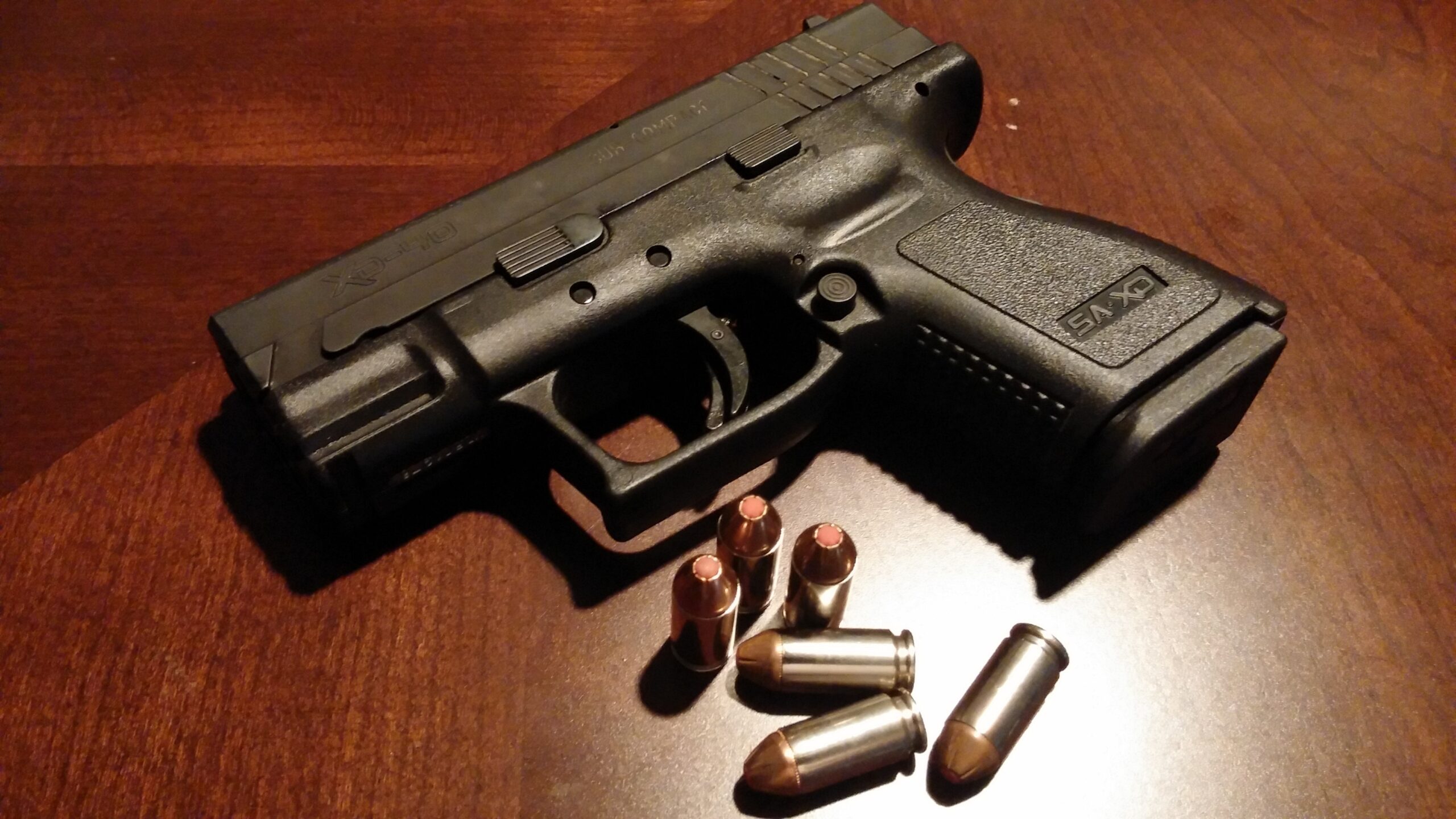
Dive into the intricate world of forensic ballistics with our comprehensive course designed for those seeking expertise in the analysis of firearms, ammunition, and ballistic evidence. This course offers an in-depth exploration of ballistics, focusing on the practical and theoretical aspects essential for forensic professionals and crime scene investigators.
Course Overview:
Module 1: Introduction to Forensic Ballistics Begin with a foundational overview of forensic ballistics, understanding its significance in criminal investigations. Learn the fundamental principles of ballistics, including the study of projectile motion, the mechanics of firearms, and the interaction between bullets and targets. This module sets the stage for more advanced topics by establishing a strong grasp of the basic concepts.
Module 2: Firearm and Ammunition Classification Explore the various types of firearms and ammunition, including handguns, rifles, shotguns, and their components. Delve into the classification systems used to identify different firearms and ammunition types, and understand their unique characteristics. This module covers the design, function, and operational mechanisms of firearms, as well as the types of ammunition used in criminal activities.
Module 3: Ballistic Testing Methods Gain hands-on experience with the methods used for ballistic testing. Learn about the different techniques for analyzing firearms and ammunition, including firing pin impressions, chamber markings, and barrel striations. Study the procedures for conducting test firings, collecting and preserving ballistic evidence, and performing comparative analysis of bullet and cartridge case markings.
Module 4: Bullet Trajectory Analysis Understand the principles of bullet trajectory and how to analyze the path of a bullet from its point of origin to its impact. Explore the factors that influence bullet trajectory, such as angle, distance, and environmental conditions. This module includes practical exercises in trajectory reconstruction using advanced tools and techniques to interpret ballistic evidence accurately.
Module 5: Crime Scene Ballistics Examine the role of forensic ballistics in crime scene investigations. Learn how to collect and document ballistic evidence from crime scenes, including gunshot residue, bullet impacts, and shell casings. Develop skills in assessing bullet impact patterns, determining shooting distances, and reconstructing crime scenes based on ballistic evidence.
Module 6: Forensic Ballistics in the Legal System Discover the crucial role of forensic ballistics in the legal system. Learn about the preparation and presentation of ballistic evidence in court, including the creation of expert testimony and reports. Understand the legal standards for admissibility and the challenges of presenting complex ballistic information to a judge and jury.
Module 7: Case Studies and Practical Exercises Apply your knowledge through detailed case studies and practical exercises that simulate real-world scenarios. Analyze actual ballistic evidence, reconstruct shooting incidents, and develop your skills in evidence presentation. This hands-on approach ensures you gain practical experience and confidence in applying forensic ballistics techniques.
Module 8: Emerging Trends and Technologies Stay up-to-date with the latest advancements in forensic ballistics, including new technologies and methodologies. Explore emerging trends in ballistic research and their implications for forensic science. Learn how innovations in technology, such as digital imaging and automated analysis systems, are shaping the future of forensic ballistics.
Course Objectives:
- Develop a comprehensive understanding of forensic ballistics, including the principles of projectile motion and firearm operation.
- Master the techniques for classifying and analyzing firearms and ammunition.
- Gain expertise in bullet trajectory analysis and crime scene investigation.
- Acquire practical skills through case studies and hands-on exercises.
- Learn how to effectively present ballistic evidence in legal proceedings.
Target Audience: This course is ideal for aspiring forensic scientists, crime scene investigators, law enforcement officers, and legal professionals interested in gaining specialized knowledge in forensic ballistics. Whether you are starting your career or seeking to enhance your existing skills, this course provides the essential knowledge and practical experience needed to excel in the field.
Join us in this extensive exploration of forensic ballistics and equip yourself with the skills and knowledge to make a significant impact in the realm of criminal investigations and forensic science.
Course Content
Fundamentals of Ballistics
- 06:30
History and Background of Firearms
00:00- 09:25
Firing Mechanism
00:00Improvised/Country-Made/Imitative Firearms
00:00
Ammunitions
Internal Ballistics
External Ballistics
Terminal Ballistics
Examination in Ballistics
Student Ratings & Reviews
